
Choosing a lot for a custom home in Southern Utah is one of the most consequential decisions you will make in the entire building process. Most buyers spend months agonizing over floor plans and cabinet finishes, then spend a single afternoon picking the land those choices will sit on. That imbalance costs people money, time, and long-term satisfaction. This guide walks you through every factor that actually matters when selecting land for a custom home in Southern Utah, from zoning and site costs to community features and resale value.
Table of Contents
- Key Takeaways
- Choosing a lot for your custom home in Southern Utah
- Step-by-step lot evaluation process
- Common mistakes when choosing a lot in Southern Utah
- Balancing personal preferences with investment value
- My honest take on picking lots in Southern Utah
- Build your custom home with the right team
- FAQ
Key Takeaways
| Point | Details |
|---|---|
| Lot costs go beyond the price tag | Grading, utilities, and permits add substantially to your total site budget beyond what you pay for the land. |
| Location shapes your design | Slope, orientation, and setbacks directly limit what you can build and where windows and entrances can go. |
| Zoning errors cause real delays | Ignoring building restrictions leads to design compromises and project delays that can stretch months. |
| Community features affect resale | Proximity to trails, schools, and amenities in places like Desert Color drives long-term market value. |
| Builder collaboration starts early | Getting your builder involved during lot evaluation prevents costly surprises before breaking ground. |
Choosing a lot for your custom home in Southern Utah
Location affects cost, layout, timelines, and long-term satisfaction more than floor plans do. That is not an opinion. It is the consistent experience of builders, architects, and buyers who have learned it the hard way. Before you start walking lots, you need to understand the factors that will define your project before a single wall goes up.
Zoning laws and building restrictions
Southern Utah has a patchwork of municipal, county, and HOA regulations. A lot in Cedar City operates under different rules than one in unincorporated Iron County or a master-planned community in St. George. Before you get emotionally attached to a parcel, pull the current zoning designation and confirm what is actually permitted. Residential zoning still carries subcategories that restrict density, accessory dwelling units, and outbuilding placement. You can verify zoning through the Iron County Planning and Zoning office or the relevant city’s building department.
The real cost of a lot
Land price is only part of total expense. Site preparation and utility access drive major variations in your actual budget. A lot listed at $80,000 in a remote area could require $40,000 or more in grading, well drilling, septic installation, and power extension. A more expensive lot inside a developed subdivision with utilities stubbed to the property line often pencils out cheaper once you account for site work.
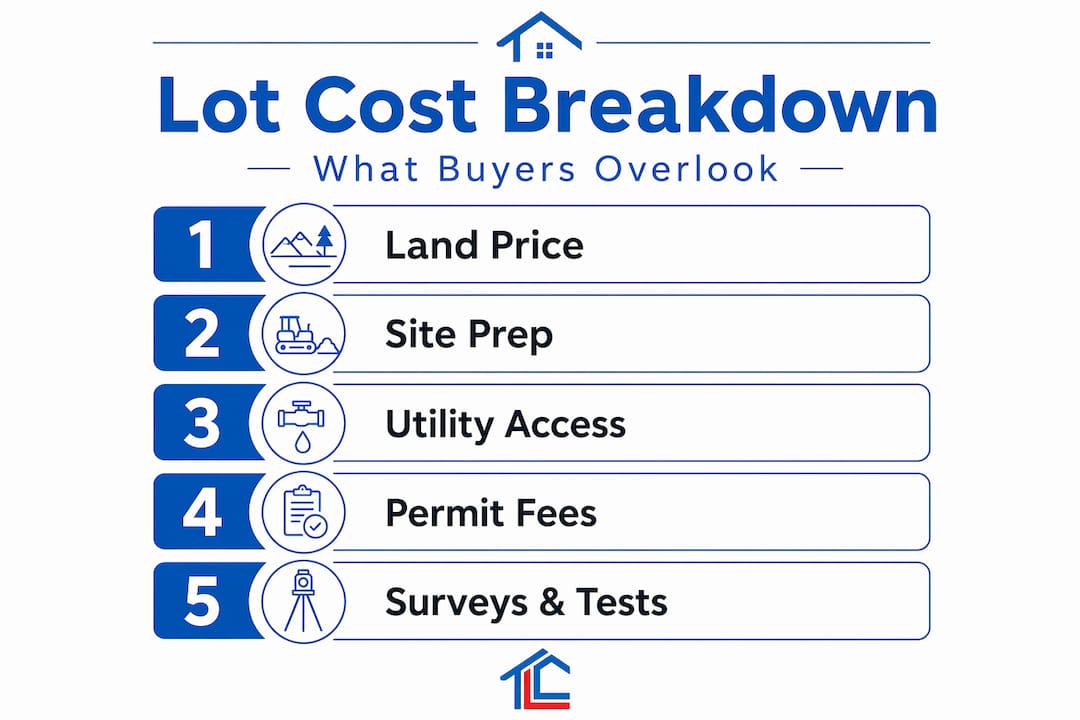
Build a full cost picture before comparing lots on price alone. Get a rough estimate from your builder on site preparation for each lot you are seriously considering.
Pro Tip: Ask the seller for any previous surveys, soil tests, or utility assessments. These documents exist more often than buyers expect, and they can save you thousands in due diligence costs.
Evaluating lot shape, slope, and natural features
A flat rectangular lot is not automatically the best lot. In Southern Utah, gentle slopes can create dramatic walk-out basement opportunities and better drainage. Steep slopes add grading costs and engineering requirements. Oddly shaped lots can create unusable setback zones that shrink your buildable area more than you expect.
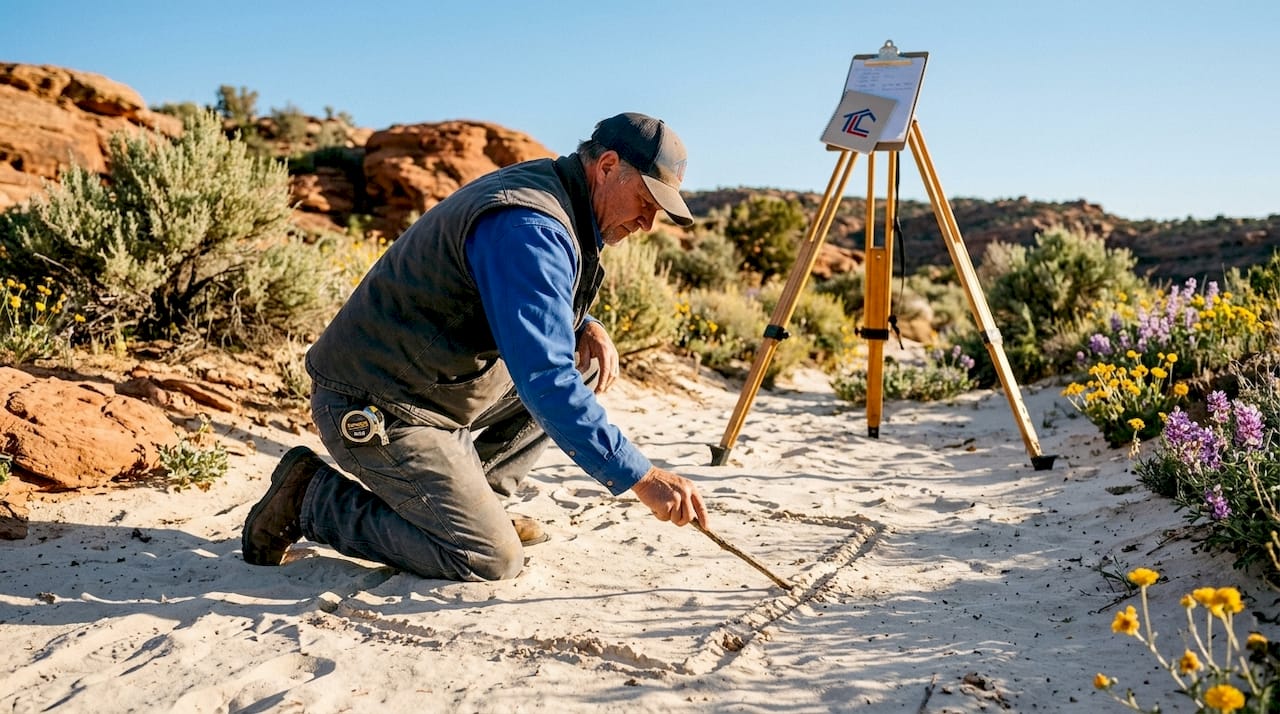
Lot orientation affects natural light, energy efficiency, and comfort throughout the life of your home. A south-facing home in a Utah climate captures passive solar heat in winter and, with proper overhangs, stays cooler in summer. Walk a lot at different times of day if you can. See where the shadows fall and where the views open up.
Community, amenities, and daily life
Commute time, neighborhood activity, and proximity to emergency services affect your daily satisfaction in ways that no feature wall or custom cabinetry can compensate for. Check drive times to the schools your children will attend. Know how far the nearest hospital or fire station is. Consider what the neighborhood will look like in five years, not just today.
Step-by-step lot evaluation process
Once you have a shortlist of lots, a structured evaluation process keeps you objective and catches problems before they cost you.
- Conduct an in-person site visit. Walk the property at different times of day. Look for drainage patterns after rain, neighboring structures that affect your privacy, and any obvious grading challenges. Bring your builder if possible.
- Verify utility availability. Confirm whether water, sewer, gas, and electrical connections are available at the lot line or require extension. In rural areas of Iron County, this step alone can shift your budget significantly.
- Review HOA and community rules. If the lot sits inside a planned community, read the CC&Rs in full before making an offer. Architectural control committees in master-planned neighborhoods can restrict exterior materials, color palettes, and garage orientation in ways that conflict with your design vision.
- Check future development plans. Contact the county or city planning department and ask what is approved or in review for surrounding parcels. An open field next to your lot might already have an approved commercial development or a road widening project attached to it.
- Verify legal boundaries and setbacks. Do not rely on informal markers or seller representations for boundary lines. A current survey is worth the cost. Setbacks, easements, and zoning shape your buildable area in ways that can surprise even experienced buyers.
- Get a preliminary title review. Confirm there are no liens, encumbrances, or access easements that would complicate construction or ownership.
Here is a quick comparison of what to expect when evaluating lots by development type:
| Factor | Raw land (rural) | Subdivision lot | Master-planned community |
|---|---|---|---|
| Utility access | Requires installation | Usually stubbed to lot | Included in lot price |
| Site work costs | High | Low to moderate | Low |
| HOA restrictions | Rare | Moderate | Strict |
| Permitting complexity | High | Low | Moderate |
| Community amenities | None | Limited | Extensive |
New communities in Southern Utah, like Desert Color in St. George, offer lifestyle benefits including trails, lagoons, and recreational facilities. These amenities come with stricter design controls, but for many families the tradeoff is worthwhile.
Common mistakes when choosing a lot in Southern Utah
Experienced custom home buyers make these errors regularly. Knowing them in advance puts you in a different category.
- Underestimating site preparation costs. Clients consistently underestimate site prep complexity and permit hurdles. A budget that accounts only for land and construction will come up short when grading, drainage, and utility installation bills arrive.
- Skipping professional consultations before purchase. Many buyers tour a lot, fall in love with the view, and make an offer before speaking to a builder or civil engineer. That sequence is backwards. Get a builder like Travis Larsen Construction to walk the lot with you before you commit.
- Ignoring permitting timelines. Approval times run 8 to 14 weeks or longer in rural or unincorporated areas. If you are planning to break ground on a specific schedule, permitting delays in Iron County or unincorporated Washington County can push that date by months. Budget time, not just money.
- Choosing a lot based on aesthetics alone. Views and natural beauty matter. But a lot that places you 45 minutes from the nearest grocery store, hospital, or your workplace will wear on you faster than you expect.
- Overlooking utility contractor licensing requirements. Not every contractor is authorized to pull permits or do site work in every Utah jurisdiction. Review how contractor licensing works in Utah before hiring anyone for site preparation work.
Pro Tip: Before making an offer on any lot, ask your builder to give you a preliminary site cost estimate. It takes one conversation and can prevent five-figure surprises after closing.
Balancing personal preferences with investment value
What you love about a lot and what the market will reward in ten years are not always the same thing. Knowing where they align, and where they diverge, helps you make a smarter decision.
| Preference factor | Resale impact | Notes |
|---|---|---|
| Mountain or red rock views | High | Southern Utah views are a lasting market differentiator |
| Cul-de-sac location | Moderate | Valued by families, less so by some buyers |
| Remote rural setting | Mixed | Scenic but limits buyer pool at resale |
| Proximity to schools | High | School district quality consistently drives value |
| Master-planned community lot | High | Amenities and consistency attract buyers |
| Oversized lot in developed area | Moderate to high | Depends heavily on neighborhood norms |
School districts deserve more weight than most buyers give them. Even buyers without children should care, because school district quality is one of the most consistent drivers of neighborhood stability and long-term home values. Iron County and Washington County both have distinct school boundary lines, and which side of that line your lot sits on can affect your resale price meaningfully.
Design choices that work with a lot’s natural characteristics rather than against them also protect value. A home designed to frame a canyon view will outperform a home that turns its back to it. Work with a builder who evaluates site and design together rather than treating them as separate decisions.
My honest take on picking lots in Southern Utah
I have watched buyers spend six months designing a dream home and six minutes picking the lot it goes on. That backwards prioritization is the single most common source of regret I see in custom home projects.
In my experience, the buyers who end up happiest are the ones who treat lot selection as a design decision, not just a real estate decision. They bring their builder into the conversation early. They walk the property multiple times and at different hours. They ask the uncomfortable questions about what the neighboring parcels are zoned for and what the five-year growth plan for the area looks like.
Southern Utah has genuinely exceptional land. The red rock terrain, the elevation variety, the access to outdoor recreation. These are real advantages that buyers across the country would pay a premium for. But that beauty can mask practical problems if you are not looking for them. I have seen lots with stunning views that required $60,000 in retaining walls just to create a buildable pad. The view was real. The cost was also real.
My contrarian take: stop worrying so much about whether a lot feels like the right neighborhood and start asking whether the lot actually works for the home you want to build. Community vibe matters, but a lot that cannot accommodate your floor plan, your garage orientation, or your budget for site work is not a good lot regardless of how the street feels on a Sunday afternoon.
— Kaidden
Build your custom home with the right team
Selecting land for a custom home in Southern Utah is a process that moves faster and with far fewer surprises when you have an experienced builder at your side from day one. Travis Larsen Construction has spent over 25 years building high-end custom homes throughout Iron County, and part of what sets their team apart is exactly this: they get involved before the contract is signed. From preliminary site evaluations and budget estimates to full in-house design and permit coordination, Travis Larsen Construction gives you the kind of guidance that prevents expensive mistakes before they happen. If you are ready to move forward, their custom home builder guide is a practical starting point for understanding the process.
FAQ
What is the most important factor when choosing a lot for a custom home?
Location and site conditions outweigh almost every other factor. The lot determines your site costs, your design constraints, your commute, and your long-term satisfaction in ways that floor plan choices simply cannot override.
How much should I budget for site preparation in Southern Utah?
Site preparation costs vary widely based on slope, soil conditions, and utility access. Rural and unincorporated lots can require $30,000 to $80,000 or more in grading, utilities, and permits beyond the lot price itself.
How long does permitting take for a custom home in Southern Utah?
Permitting timelines typically run 8 to 14 weeks in rural or unincorporated areas. Urban lots in Cedar City or St. George with active building departments may move faster, but delays are common and should be built into your project schedule.
Should I involve my builder before buying a lot?
Yes, and as early as possible. A builder can assess site work costs, flag zoning issues, and identify design constraints that are not visible to an untrained eye. Buying first and asking questions later is one of the most common and costly mistakes in custom home building.
Do HOA rules in master-planned communities affect my design choices?
They often do, significantly. Architectural control committees in communities like Desert Color can restrict exterior materials, colors, roof lines, and garage placement. Review the CC&Rs in full before purchasing any lot inside a managed community.